Tile floors are popular because they are practical, durable and relatively easy to maintain. However, that does not mean they remain spotless without regular care. Foot traffic, dust, spills and everyday activity can gradually affect both tiles and grout.
When ordinary sweeping and mopping stop producing the desired result, deeper floor tile cleaning may be needed. This is particularly true for kitchens, hallways, bathrooms and other areas that receive frequent use.
Understanding why tile floors become dirty and how deeper cleaning works can help you decide when routine maintenance is enough and when professional assistance is more appropriate.
Why Tile Floors Can Still Look Dirty After Mopping
One of the most common frustrations with tiled floors is that they can look clean immediately after mopping but become dull again once dry.
This happens because surface cleaning does not necessarily remove everything trapped in grout lines or textured areas. Fine dirt can settle between tiles, while grease and residue can build up in kitchens.
Grout can also absorb or hold onto dirt, making the lines between tiles look darker than the tile surface.
This is why tile floor deep cleaning should address the entire surface rather than focusing only on visible areas.
Common Causes of Dirty Tile Floors
Several everyday factors contribute to floor build-up.
Foot Traffic
Shoes can bring dust, soil and other particles indoors. High-traffic areas are usually affected first.
Food and Cooking Residue
Kitchen floors can collect grease, food particles and spills. If these are not cleaned promptly, they can become harder to remove.
Dust and Fine Particles
Loose dust can eventually work its way into grout lines, especially when cleaning is irregular.
Moisture
Bathrooms and laundries are regularly exposed to water. Moisture combined with dirt can contribute to discolouration in grout.
Infrequent Deep Cleaning
Routine maintenance is important, but periodic deeper cleaning can address build-up that normal household methods do not fully remove.
Which Floor Areas Need the Most Attention?
Not every part of a tiled floor experiences the same level of wear.
Kitchen Floors
Kitchens combine heavy foot traffic with spills and cooking residue. Grout around cooking and food preparation areas can become particularly difficult to maintain.
Bathroom Floors
Bathroom floors are exposed to moisture and regular foot traffic. Grout lines can become darker if residue and dirt accumulate.
Hallways and Entryways
These areas receive frequent traffic and can collect soil brought in from outside.
Living Areas
Furniture movement, everyday activity and dust can gradually affect the appearance of tiled living spaces.
A Practical Floor Tile Cleaning Routine
Regular maintenance can help prevent excessive build-up.
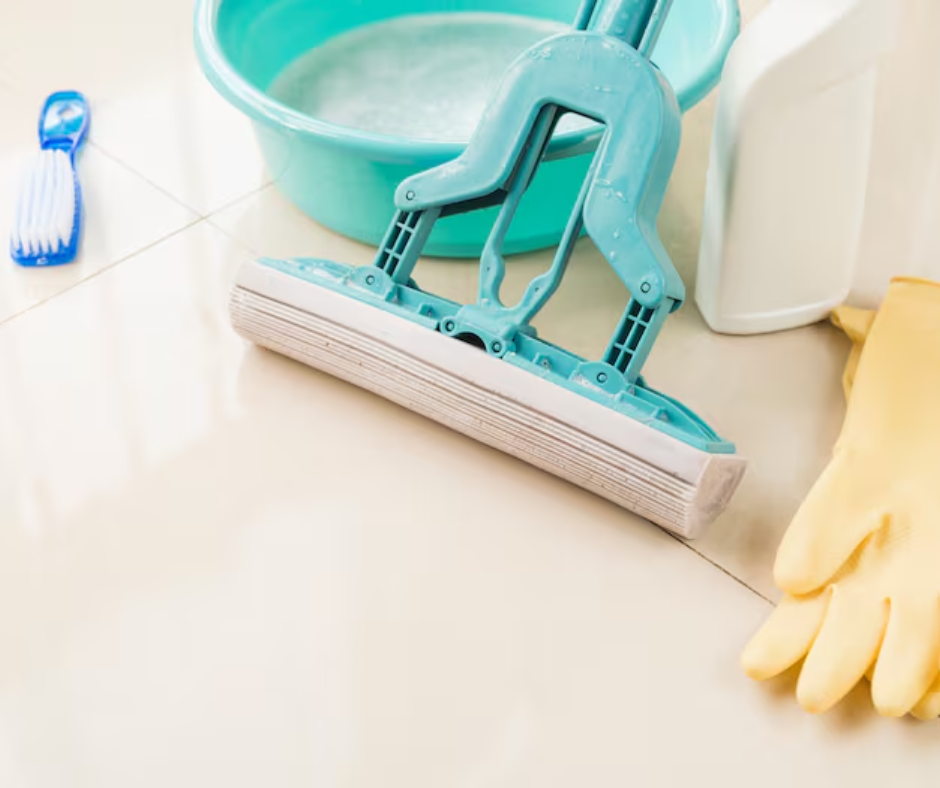
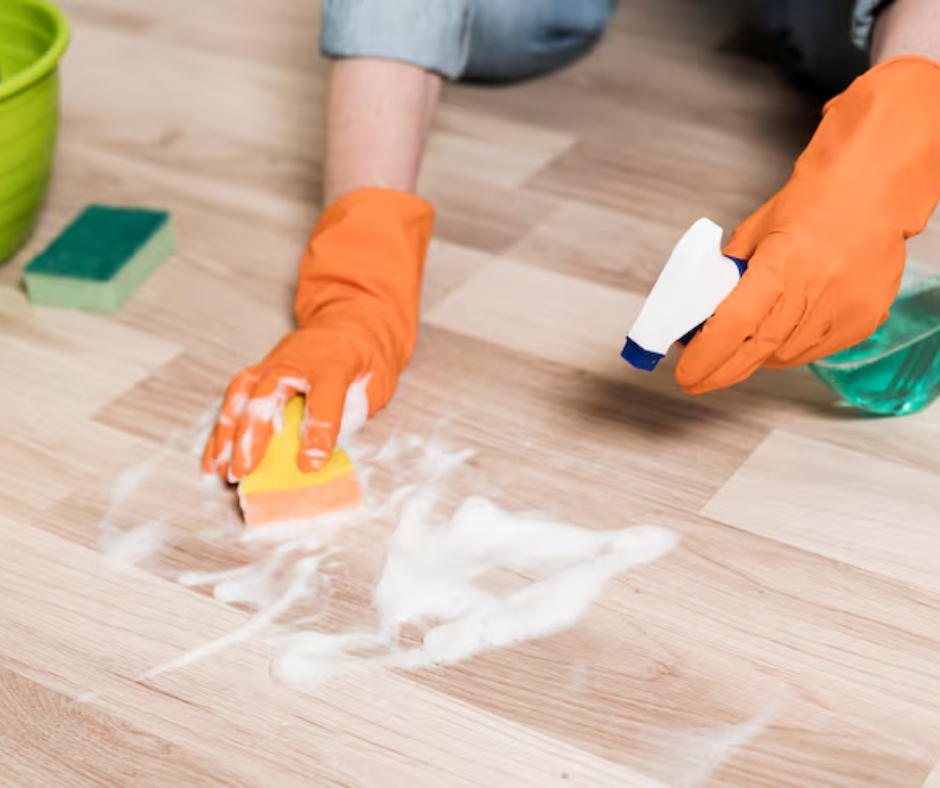
Start by removing loose dirt with a vacuum or suitable broom. Clean spills promptly rather than allowing them to dry. Use a product compatible with your flooring, and avoid applying excessive water where it is not appropriate.
Pay particular attention to grout lines because they can require more effort than the tile surface.
If a floor remains visibly dull or stained despite routine maintenance, it may be time to consider a professional floor tile cleaning service.
When Professional Floor Tile Cleaning Makes Sense
Professional cleaning can be useful when:
- Grout lines have become dark
- Floor tiles have persistent stains
- Mopping produces limited improvement
- High-traffic areas look noticeably different
- The property is being prepared for inspection
- Large tiled areas are difficult to clean manually
- You want to refresh the appearance of older tiled floors
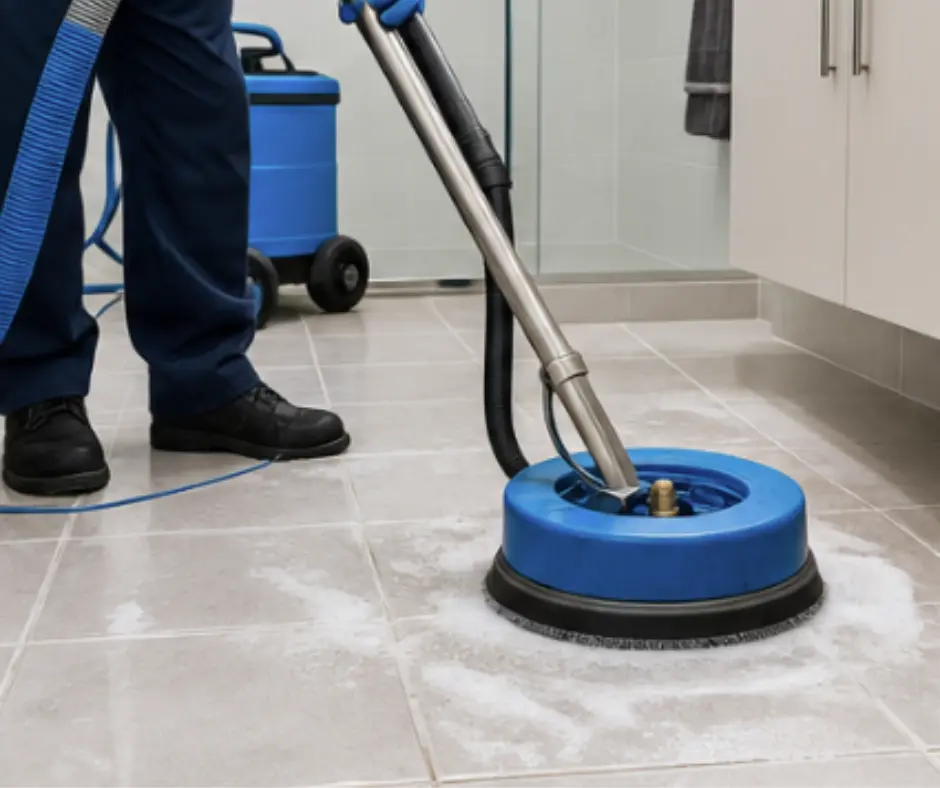
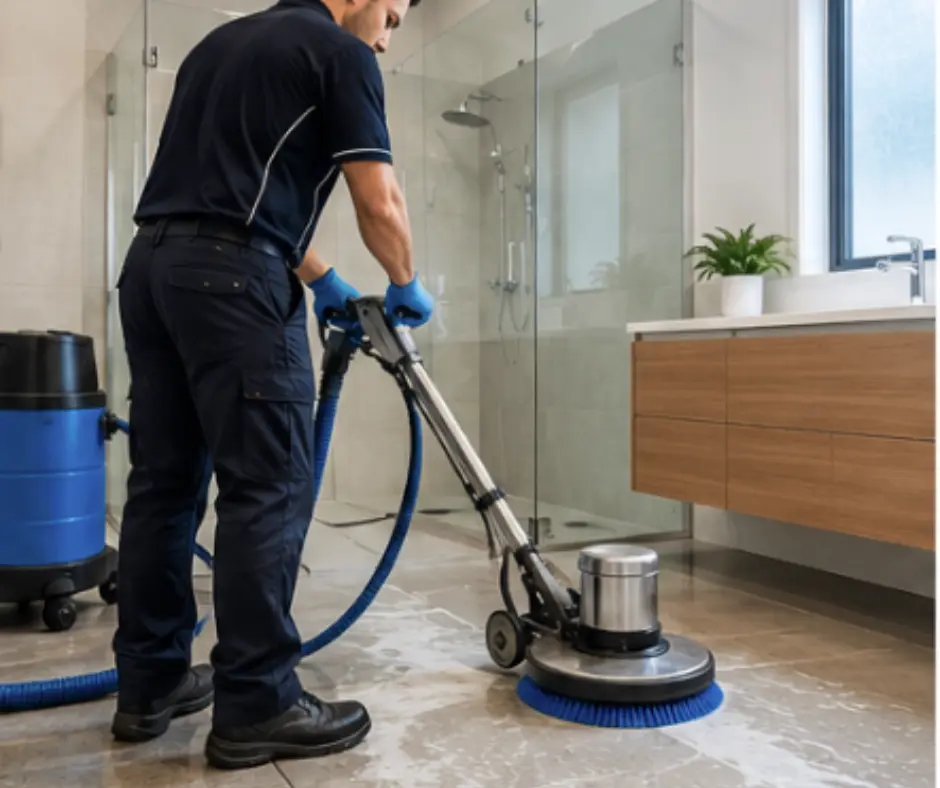
Professional cleaners can assess the flooring and select an appropriate cleaning method. Premium Bond Clean describes an inspection and pre-treatment stage before high-pressure steam cleaning and grout agitation on its tile service page.
Tile Floor Stain Removal Requires the Right Approach
Not every stain is the same. Food spills, grease, dirt, rust-like marks and long-standing discolouration may respond differently to cleaning.
Trying increasingly aggressive household chemicals is not necessarily the best solution. The surface material should be considered first.
Premium Bond Clean’s service covers several tile materials, including ceramic, porcelain, mosaic, glass and different types of stone.
This makes proper identification important before applying a cleaning method.
For a deeper look at difficult grout marks, see this guide to removing stubborn grout stains.
Ceramic Tile Cleaning and Maintenance
Ceramic tiles are common in kitchens, bathrooms and other household areas. Their surface can generally be maintained with regular cleaning, but grout still requires attention.
A practical maintenance routine includes:
- Remove loose dirt regularly.
- Clean spills quickly.
- Avoid leaving excess moisture on the floor.
- Give grout lines periodic attention.
- Use appropriate products for the surface.
- Arrange professional cleaning when accumulated dirt becomes difficult to remove.
The goal is to prevent small maintenance issues from becoming increasingly difficult cleaning jobs.
Floor Cleaning Before a Property Inspection
A clean floor can contribute to the overall presentation of a property. This is particularly relevant for renters preparing for a final inspection.
A Melbourne bond cleaning checklist typically includes floors, bathrooms and grout as part of broader end-of-lease cleaning. Premium Bond Clean’s checklist specifically lists shower tiles, grout and floor cleaning among bathroom tasks.
For tenants, this means tiled floors should be considered alongside the rest of the property’s cleaning requirements rather than treated as an afterthought.
Conclusion
Regular maintenance keeps tile floors manageable, but deep floor tile cleaning can become necessary when dirt, stains and grout build-up remain despite routine cleaning.
Whether you are dealing with a busy kitchen, a frequently used hallway or a tiled bathroom floor, the right approach depends on the surface and its condition. When DIY cleaning no longer delivers the result you want, professional floor tile and grout cleaning can provide a more thorough solution.